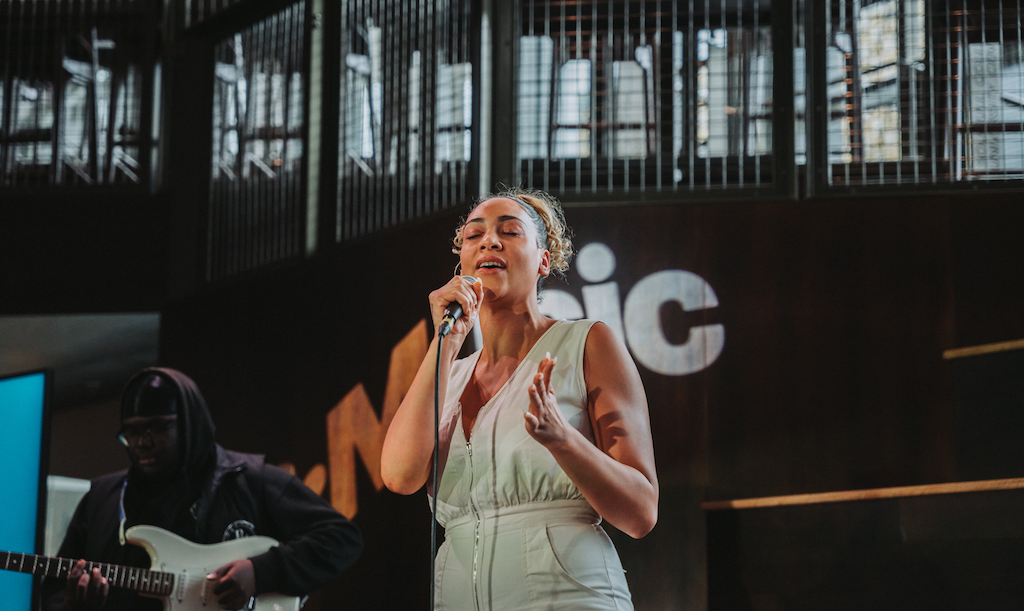
The West Midlands Music Board (WMMB) launch event took place this summer at the Jennifer Blackwell Performance Space at Symphony Hall, Birmingham.
Write the Future: Music Creator Conference saw Punch Record’s Senior Creative Producer, Nikki Riggon compere a series of thought-provoking discussions with experts from Meta and Birmingham hip-hop and garage musician, Malik and a powerful live performance by Pheleba.
Nick Reed CEO of B:Music and chair of the WMMB introduced the event and told the audience how the fledgling board was formed during the pandemic with the impetus to represent the region’s music creators and the music industry, and how he hoped the event would be the start of many more conversations in the future.
The first session: You and your essence: creating music content in the digital world, looked at the challenges and opportunities for musicians using social media.
Vanessa Bakewell, global talent partner at Meta, said she wanted to ensure there is world-class talent in the industry who feel there is an opportunity to build their careers in Birmingham and the West Midlands.
Bakewell and her colleague, Natalie Kelly, Client Solutions Manager, ran through some social media tips and tricks and the basic questions they get asked every day.
Security
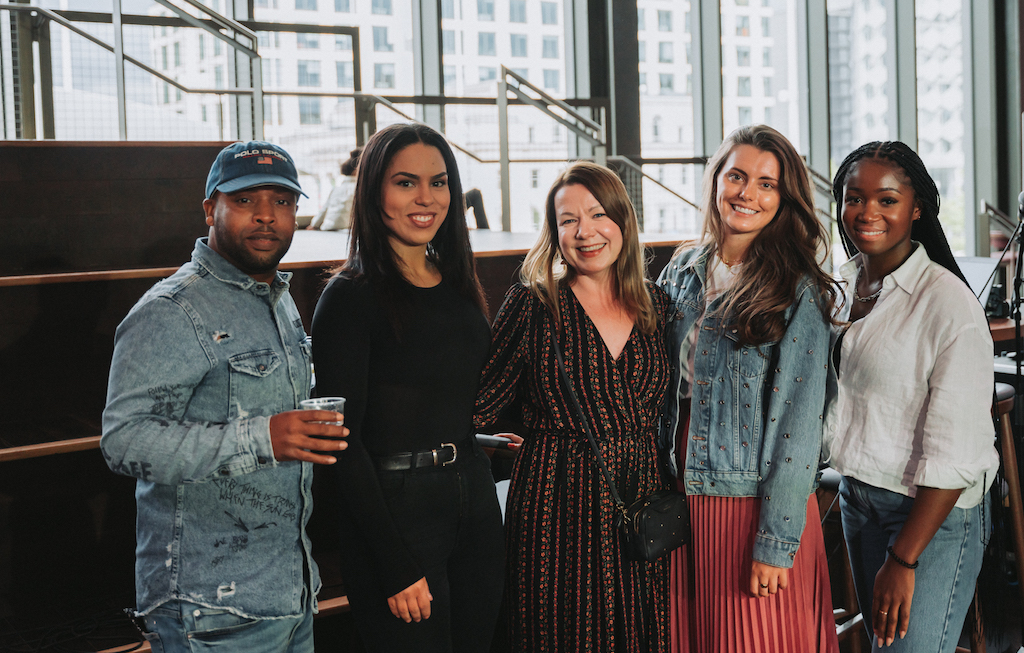
They talked about security, hacks and hacking and suggested the most important thing for users to consider when creating an account with Meta, whether they are an artist, manager or record label, is to turn on two-factor authentication – which requires individuals to enter a special security code each time someone tries to access the account.
“Recovering accounts is quite common thing we get asked to do,” said Natalie. “It might sound boring but it’s crucial you have as much security as you can if you are putting all your effort into creating your content.
“Having two-factor switched on is really important but secondly utilise Business Manager where you can manage your accounts in one place, which acts like a home for all your assets. You can share access to this if you are working with a venue, for example, and want promote and advertise your event.”
Knowing your essence
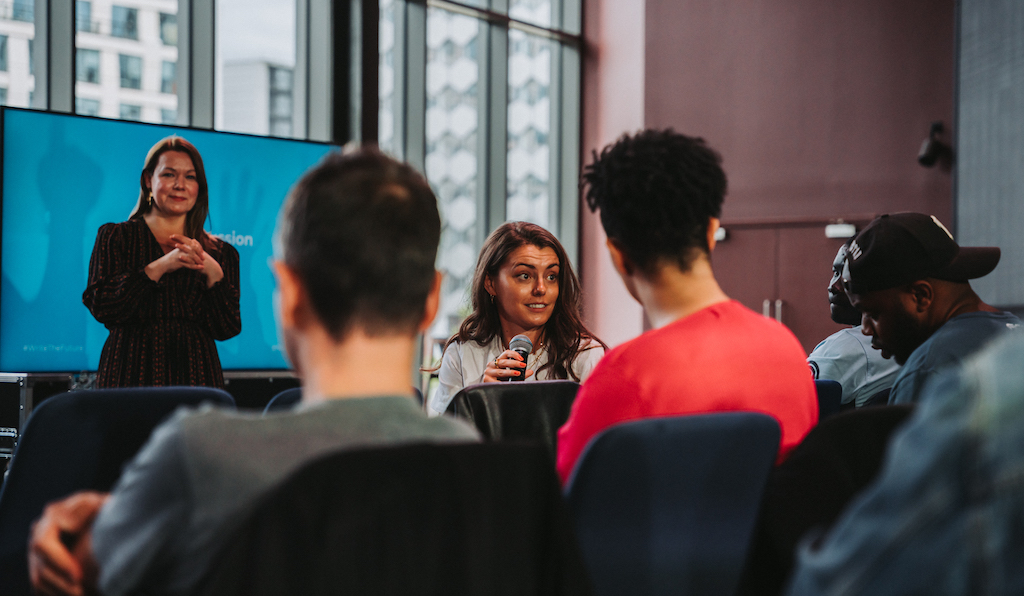
Facebook has nearly three billion users and Instagram two billion and Vanessa said when she was growing up she only had Smash Hits and felt so distant to the stars apart from posters om my bedroom wall.
“One of the advantages of social media is that fans these days can get closer to their music stars and have these moments of interaction and it’s about nurturing and growing your community. The more you put in the more you get out.
But she said it’s also about knowing your essence and promoting that in an authentic way that resonates with your fans and followers.
She said one good example of this was when she was asked by a major label a couple of years ago to help them create a new artists’ programme using Meta platforms. Some of the artists, she said, had been signed for years over different labels.
“So we had to plan how we could make them ‘pop’ on our platforms. We sat down with each team and there were very different levels of passion – one of the things that became obvious was that some of the labels couldn’t articulate what the artists were about, which I found crazy.
“So, when people ask us how we can extend their reach through our tools it goes back to knowing your essence, and what you stand for because people buy people, so every time you post it has got to be authentic; about your identity, personality and tone. Share your life moments and passions that include your music but also go beyond it.”
She also said that taking time to respond to followers and thank them for their support offers a ‘surprise and delight moment’.
Video content
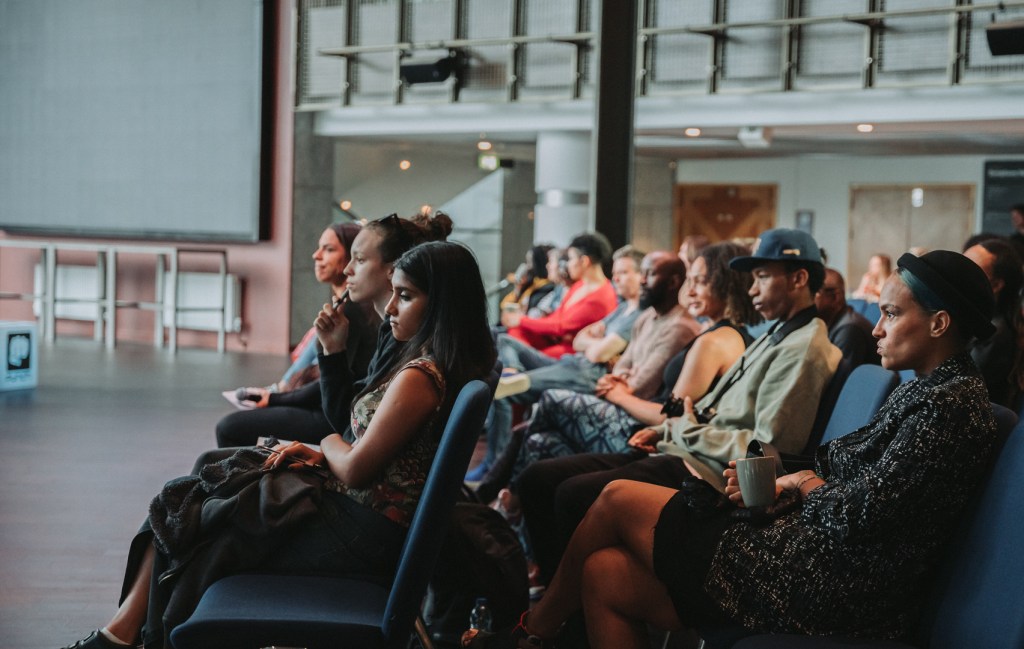
The Meta team said that for up-and-coming or established artists it was crucial to have a mix of content and that video content would catch people’s attention.
Vanessa said that people scroll the equivalent of Big Ben each day on their Instagram feed, and under-25s scroll twice as fast. However, they are more inclined to stop at a video than a photo and is what they term as ‘thumb-stopping content’.
“So, when you are thinking about creating content, really try to prioritise video. That’s going to capture the attention in feeds. And make sure you’re in the first three seconds,” she said.
“We work with movie studios as well and it’s taken us years to persuade them to take out their logos in the first few seconds of trailers. People don’t have time on mobiles to get the build-up of a story.
“Get to the action straight away. Put the talent at the front, you are the artist, put your face, name and branding in the first three seconds.”
Legacy: The making of a music documentary
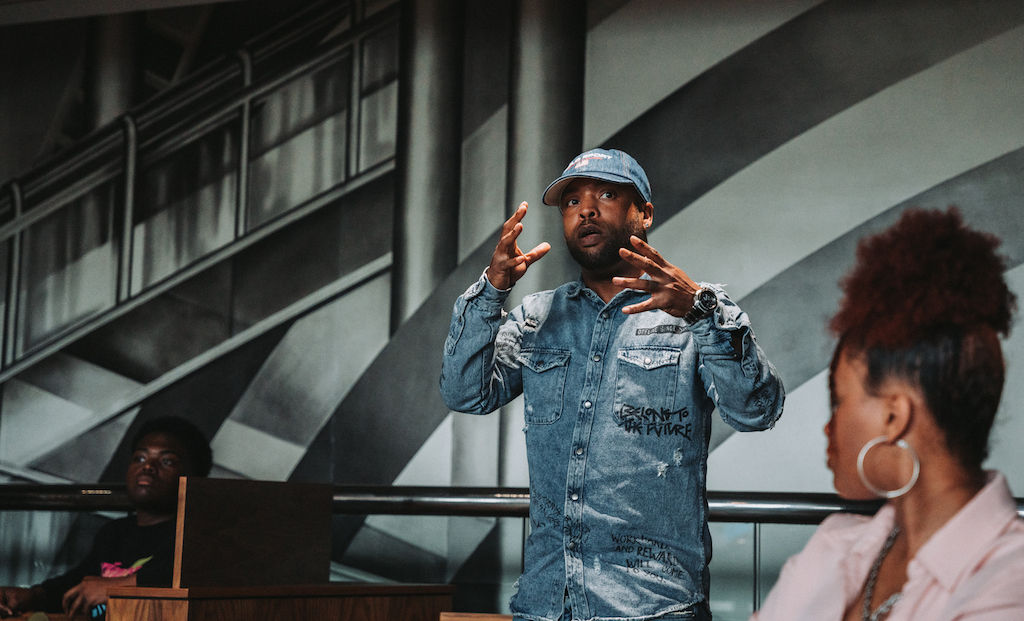
The importance of creating your own content was brought into sharp focus by hip-hop and garage rapper, Malik of the band Moorish Delta 7, who was co-producer of the documentary film Legacy, which premiered in April.
The Legacy documentary was supported by Punch Records and directed by Daniel Alexander and explores Birmingham’s rap, hip-hop and grime culture and the artists who created it.
Malik said that Alexander approached himself, Biggoss and Vada and a few others to create a Birmingham documentary about the history of MC culture, where it comes from through grime, through hip-hop, through dancehall and soundsystem culture.
“If we don’t tell our story about Birmingham music it will be told by someone else in a different way,” he said. “So, for us, it was telling this story of our culture, and our place in the wider culture, in our own words and from our own experiences.
“There was a garage, grime and hip-hop explosion and there was so much of it coming from Birmingham’s MC history. We have access and links to artists and we have relationships with them to get the narratives and stories recorded.
“We have to keep these stories alive: about the different genres and the socio-economic challenges that we all shared as well as the gang problems that have been a big problem in the city.”
He said the result of the Legacy film was that it had recorded these histories, which would now be there for generations to come to learn from and use, and had started a conversation. They were not able to cover all topics in the one film and Malik says this is a great opportunity to continue the work.
“We want to extend this documentary into more than one part and include the Pato Bantons and the first soundsystems, the first MCs to grab the mic and have two turntables, to the new artists, the afrobeat and the drill artists that are doing a lot for the Birmingham music scene.”
Support for musicians

In response to questions from the audience about whether to be successful in the industry artists had to move to London, Malik said more communication and collaboration between the creators and other entities such as the Punch Records, the Metas and Spotifys would help to better support musicians in the regions.
“Talent-wise there’s not a problem in Birmingham. It’s where that talent goes, who that talent works with, who is standing by that talent, who is nurturing that talent – that is the problem or challenge,” he said.
“You can have the most talented people in the world in a place but unless there’s the infrastructure there, the artists can only do so much, we need corporates, record labels, magazines to help and this is a number one thing that needs to change.”
Black Perspectives

One of Meta’s recent programmes, Black Perspectives, on its Instagram platform, aims to support individuals from under-represented communities and was jointly set up by Birmingham-born, Sade Omojowo, strategic Partnership Manager across Instagram and Facebook for Meta.
Sade joined Instagram in February 2020 and sits within team that looks after creators, public figures and music artists that have from 100k to millions of followers including those working in fashion, lifestyle music, comedy and sport.
“However, my role specifically, and I was adamant this would be the case, is to work with creators from under represented communities. Any community that is not the majority including Black and Asian artists. And I always ask them ‘What do you want to get from this relationship with Meta and Instagram?’”
The Black Perspectives Programme, which was launched in March, sees Sade and her team, work with young creators for a year and paring them up with established creatives.
Black Perspectives was designed to champion the future of young Black talent. The initiative aims to challenge the status quo by empowering Black creatives working across various industries, including fashion, youth & community, entertainment and media.
As part of the programme Sade worked with leading lifestyle content creator, Esther Areola (Estare) a You Tuber who has grown on Instagram who helped organise workshops for young fashion and lifestyle creators who wanted to turn their passion into a full-time role.
“Black creators are always paid less than their white counterparts and they weren’t always asking for more money from brands and our workshops are all about ensuring these young creators were aware of this and were asking for the right things and knew about the industries,” she said.
She also worked with GUAP magazine co-founder Ibrahim Kamara, who created a six-week programme with young creatives in his office working on different briefs and on photoshoots with different artists and two of them followed him on his job.
And DJ and presenter, Henrie Kwushue programmed a series fireside chats with different profiles in the music industry such as drill star Unknown T, Poet – host of the Filthy Fellas podcast – and BBC Radio 1 DJ Tiffany Calver, allowing young Black creators to spend time with them.
“They were asking questions such as ‘how much did you get paid when you did your first gig?’ ‘Have you had to work with artists you didn’t want to work with and how did that go?’. So, it’s about them feeling comfortable in these situations, seeing successful people that look like them, and feeling empowered.”
The final creator Sade worked with was LGBTQ+ youth worker Tanya Compas who advocates for black queer people.
“This is so important because there’s not a lot of representation there and her programme was all about championing the next generation of queer creators.
“We are not doing this for press coverage, it’s because we should be doing this stuff anyway.”
WMMB would like to thank B:Music for hosting the event and for the support of Meta and Punch Records in its organising and all those who attended.
 West Midlands Music Board